
HOw do i forgive someone?
Forgiving Forward is helping the Body of Christ worldwide experience the Freedom of the Gospel through the power of Gospel-Centric forgiveness.
CAN I REALLY FORGIVE THEM FOR THAT?
YES YOU CAN!
Learn how with the FREE Forgiveness Guide. Sign up below to get your copy now!


THE FORGIVING FORWARD VIDEO SERIES
WATCH THE TRAILER


ORDER THE NEW SECOND EDITION OF FORGIVING FORWARD TODAY!
NO MATTER WHAT HAS HURT YOU, THERE IS A SIMPLE, YET POWERFUL, ANSWER TO YOUR HEALING: FORGIVENESS.

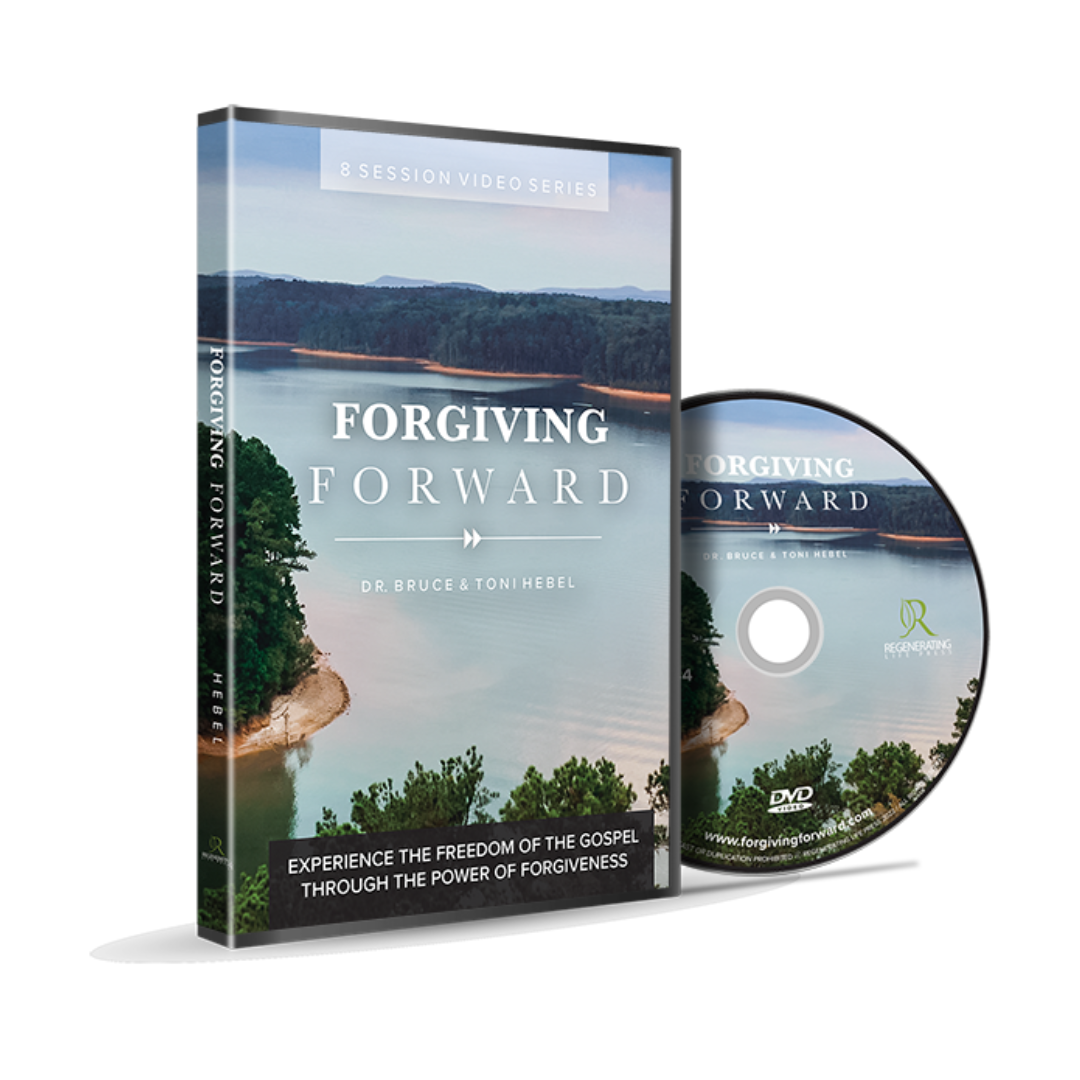
ORDER YOUR COPY ON DVD
In this NEW series, you will learn not only how to truly forgive someone but also how to help others forgive.
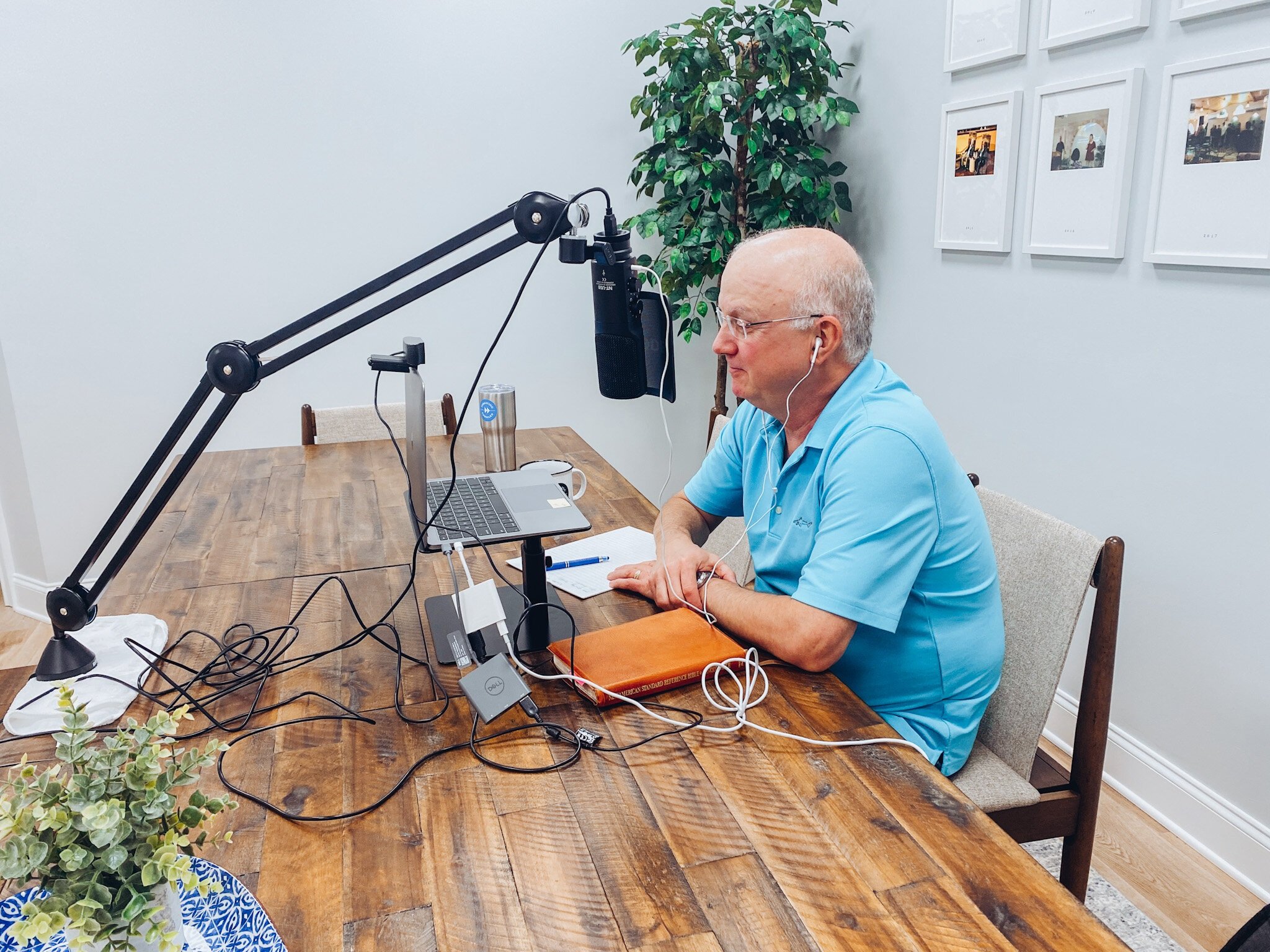
Listen anytime, anywhere to the powerful message of forgiveness.

WATCH THE MESSAGE





MEET US FOR COACHING
Unforgiveness is the root of countless issues. We offer Individual, couples, & family coaching, and many people are coached out of torment and into freedom in one session.
PARTNER WITH US
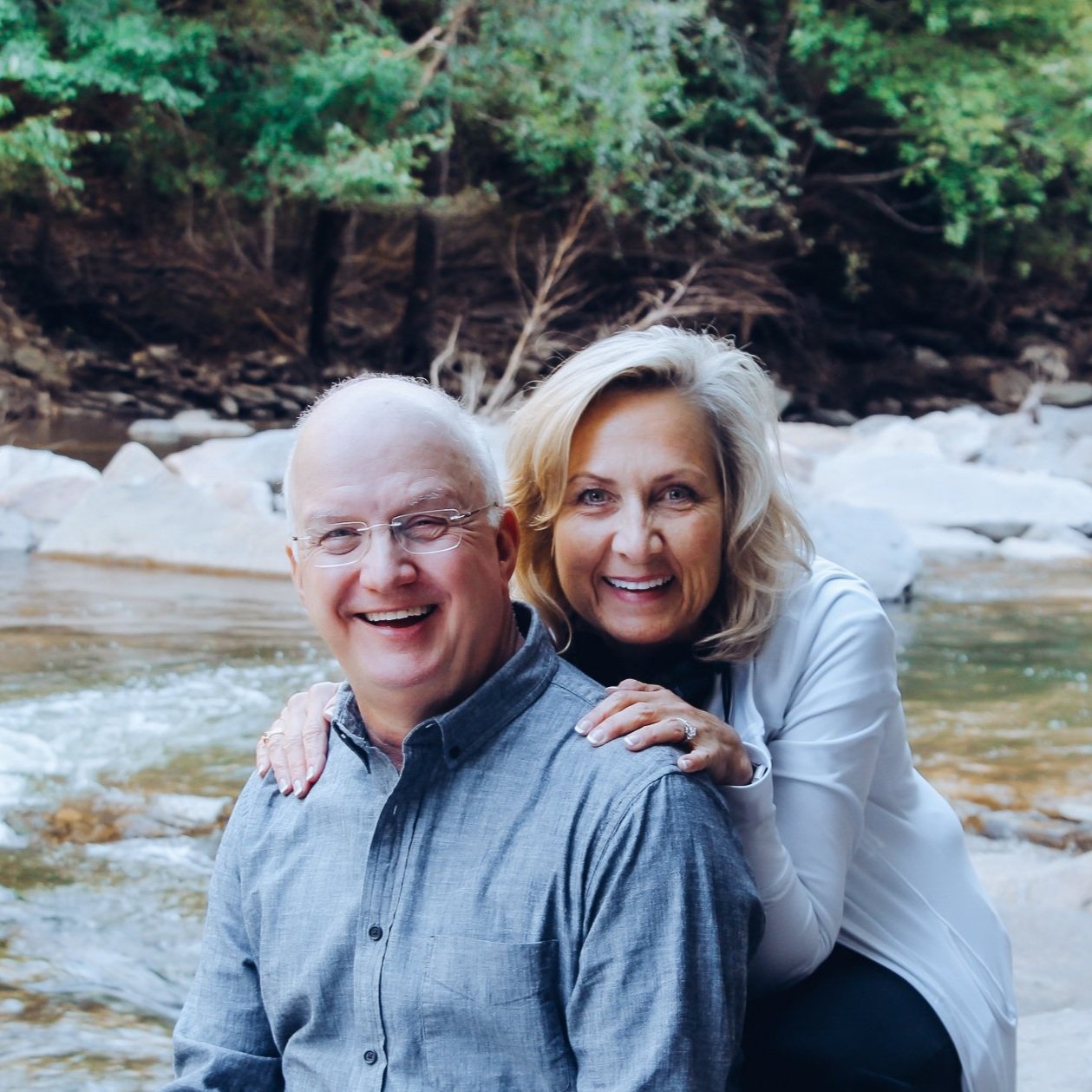
As a non-profit organization, Forgiving Forward operates primarily from the charitable contributions of those who believe in its ministry and desire to impact the lives of individuals, families and churches. Without the support of the body of Christ, we could not help the people we help. Your gift will help us meet our financial obligations as we spread the Forgiving Forward message to people in torment. Thank you for your prayerful consideration of investing with us.
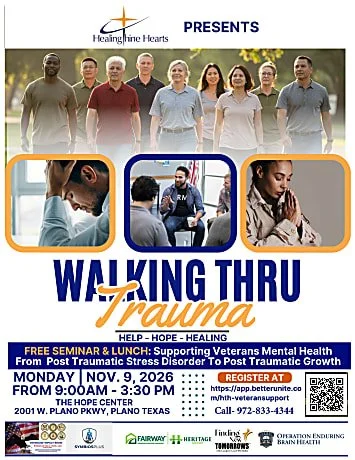
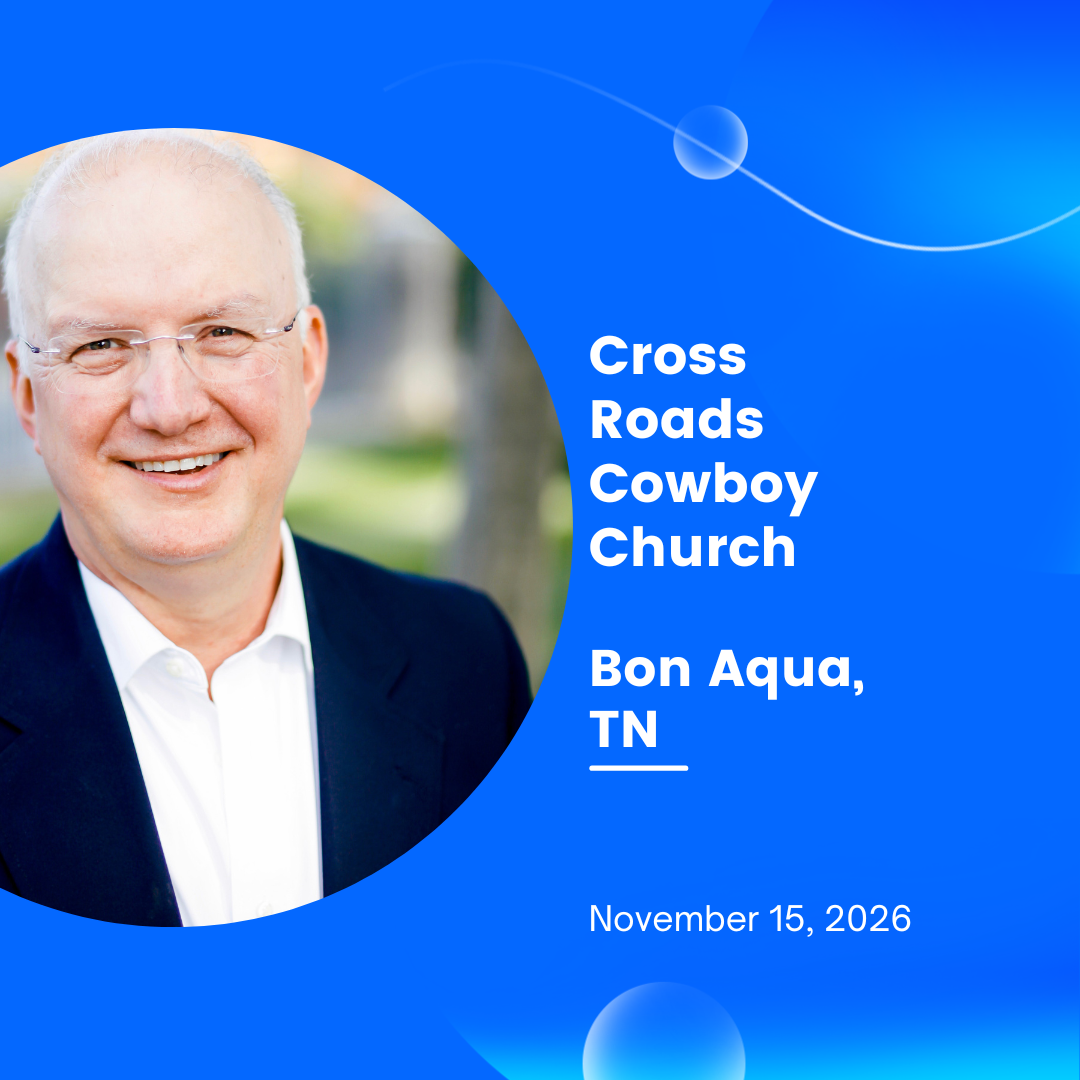
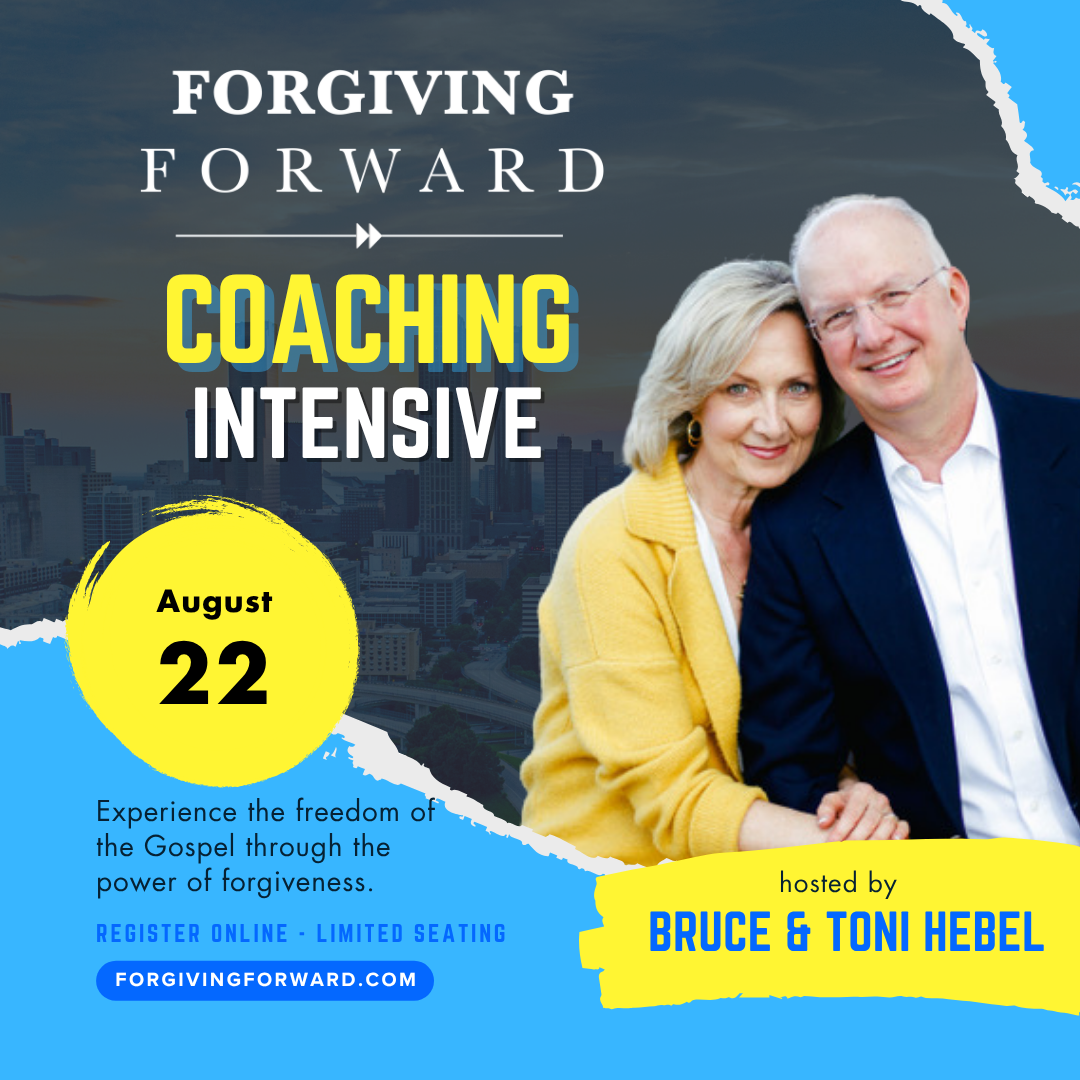
UPCOMING EVENTS


FREQUENTLY ASKED QUESTIONS

